Critical Illness vs. Voluntary Disability Insurance: 2026 Benefits
Advertisements
Critical Illness vs. Voluntary Disability Insurance: Comparing Workplace Supplemental Benefits for 2026 explains how two types of supplemental coverage can help American employees manage different financial risks.
Critical illness insurance generally provides a benefit following a qualifying diagnosis, while voluntary disability insurance replaces part of lost earnings when a covered illness or injury prevents someone from working.
Understanding workplace supplemental benefits for 2026 is important for American employees comparing financial protection options during employer enrollment periods and evaluating their existing insurance coverage.
Critical illness insurance and voluntary disability insurance address different financial challenges. One generally focuses on specified medical diagnoses, while the other provides income protection when a covered condition affects employment.
Knowing how these policies work can help employees avoid coverage gaps, compare premiums, and select benefits that match their financial responsibilities, available savings, and existing insurance arrangements.
Understanding Critical Illness Insurance for 2026
Critical Illness Insurance is a type of supplemental insurance that generally provides a predetermined cash benefit when an insured person receives a diagnosis meeting the policy's definition of a covered illness.
Covered conditions may include certain cancers, heart attacks, strokes, and other serious medical events, although the exact definitions, exclusions, and benefit amounts vary significantly between insurance contracts.
When evaluating workplace supplemental benefits for 2026, employees should understand that critical illness coverage supplements rather than replaces comprehensive health insurance, helping address financial pressures that can accompany a serious diagnosis.
Key Features and Payouts

Critical illness policies commonly offer lump-sum benefits, although some products provide different payment structures depending on the diagnosis, severity, or additional coverage selected by the employee.
Eligible benefits are generally paid directly to the insured person and may be used for medical deductibles, transportation, household expenses, or other financial priorities, subject to the contract.
Because coverage depends on specific policy definitions, reviewing the list of qualifying conditions, waiting periods, survival requirements, and pre-existing condition provisions is essential before enrollment.
Qualifying Diagnosis: Benefits depend on meeting the policy's definition of a covered medical condition.
Cash Benefits: Many plans offer a predetermined lump-sum payment following an approved claim.
Flexible Use: Cash benefits can generally support medical and nonmedical expenses.
Coverage Limitations: Exclusions, benefit reductions, and waiting periods may apply.
Voluntary Disability Insurance Explained for 2026
Voluntary Disability Insurance provides income protection when an eligible employee cannot work because of an illness or injury that meets the insurance policy's disability requirements.
Rather than paying solely because a particular diagnosis occurs, disability insurance generally evaluates how a medical condition affects the employee's ability to perform work and meet policy-specific eligibility conditions.
For employees reviewing workplace supplemental benefits for 2026, disability coverage can be particularly valuable when regular wages are essential for rent, mortgage payments, groceries, transportation, and other recurring obligations.
Short-Term vs. Long-Term Coverage
Short-term disability insurance generally provides temporary income replacement after an eligible employee experiences a covered illness, injury, or other qualifying condition that prevents working.
Long-term disability insurance is intended for more extended periods of disability, with benefits potentially continuing for several years or until a specified age, depending on the contract.
Both options may include elimination periods, benefit limits, exclusions, and definitions of disability that change over time, making the policy documents more important than general descriptions.
Short-Term Disability: Typically addresses temporary income interruptions during a qualifying absence.
Long-Term Disability: Provides potential income replacement for extended qualifying disabilities.
Benefit Percentage: Payments commonly replace part rather than all of the employee's earnings.
Waiting Period: Benefits generally begin only after the applicable elimination period.
Key Differences: Critical Illness vs. Voluntary Disability Insurance
The central difference between the two products involves the circumstances that trigger payment. Critical illness insurance focuses on qualifying medical diagnoses, while disability insurance focuses on covered limitations affecting employment.
These policies also differ in payment structure. Critical illness coverage commonly provides a predetermined cash amount, whereas disability insurance usually makes recurring payments tied to eligible earnings.
Understanding these differences helps employees compare workplace supplemental benefits for 2026 more effectively and recognize why having one type of coverage does not automatically eliminate the need for another.
Payout Triggers and Usage of Funds
A critical illness claim typically requires medical documentation establishing that the insured person has experienced a condition covered under the policy's definitions and limitations.
A disability claim generally requires evidence that a covered illness or injury prevents the employee from satisfying the applicable occupational requirements, followed by completion of any elimination period.
Employees should also examine coordination provisions, benefit offsets, tax treatment, and payment limits because these details can affect the amount ultimately received under either policy.
Why Both are Essential Workplace Supplemental Benefits for 2026
Critical illness and disability insurance can complement each other because a serious medical diagnosis may create immediate expenses while also affecting an employee's ability to continue earning income.
For example, an employee diagnosed with a covered illness might qualify for a critical illness benefit while separately becoming eligible for disability payments if the condition prevents them from working.
However, both policies are not automatically necessary for every household. Selecting workplace supplemental benefits for 2026 should depend on existing insurance, emergency savings, financial obligations, and the actual terms of available coverage.
Employer and Employee Perspectives
Employers may offer supplemental insurance to provide employees with additional choices beyond traditional medical coverage, allowing individuals to select benefits that reflect different financial priorities.
Employees may appreciate access to group insurance options, payroll deductions, and educational resources explaining how various policies work and what circumstances qualify for payment.
Employers should clearly communicate eligibility, premiums, limitations, and enrollment deadlines rather than presenting supplemental coverage as a guarantee of complete protection against financial hardship.
Navigating Enrollment and Policy Selection for 2026
Choosing appropriate workplace supplemental benefits for 2026 begins with reviewing the insurance products already available through an employer, including medical coverage, paid leave, and existing disability benefits.
Employees comparing disability plans can consult the National Association of Insurance Commissioners' official disability insurance guidance, which explains benefit amounts, waiting periods, exclusions, and other important policy considerations.
Before enrolling, request the benefit summary and applicable insurance certificate to understand the covered conditions, limitations, cancellation provisions, portability options, and procedures for filing claims.
Considerations for Employees
Employees should evaluate their emergency savings, monthly expenses, outstanding debts, dependents, and existing financial protection before deciding how much supplemental coverage they need.
Premium affordability is another important factor because the cost of insurance must fit comfortably within the household budget while providing benefits relevant to realistic financial risks.
When comparing workplace supplemental benefits for 2026, ask whether coverage continues after leaving employment, whether evidence of insurability is required, and how exclusions or other insurance payments affect benefits.
The Evolving Landscape of Workplace Supplemental Benefits for 2026
Workplace benefits continue to evolve as employers respond to employee concerns about financial security, healthcare expenses, and the potential consequences of extended absences from work.
Supplemental insurance products may provide additional choices, although available coverage and employer contributions vary across organizations, industries, and insurance providers.
For employees evaluating workplace supplemental benefits for 2026, comparing actual plan documents remains more useful than assuming that all employers offer identical coverage or that insurance products follow one standard structure.
Future Trends and Impact
Digital enrollment platforms and online benefit management systems can make it easier for employees to review available insurance options and access policy documents.
Some employers and insurers also provide educational tools, claims assistance, and wellness resources, although their availability and usefulness depend on the specific program.
As benefits technology develops, employees should continue focusing on policy definitions, financial protection, and claims requirements rather than choosing coverage primarily because an enrollment platform appears convenient.
Financial Impact: Critical Illness vs. Voluntary Disability Insurance
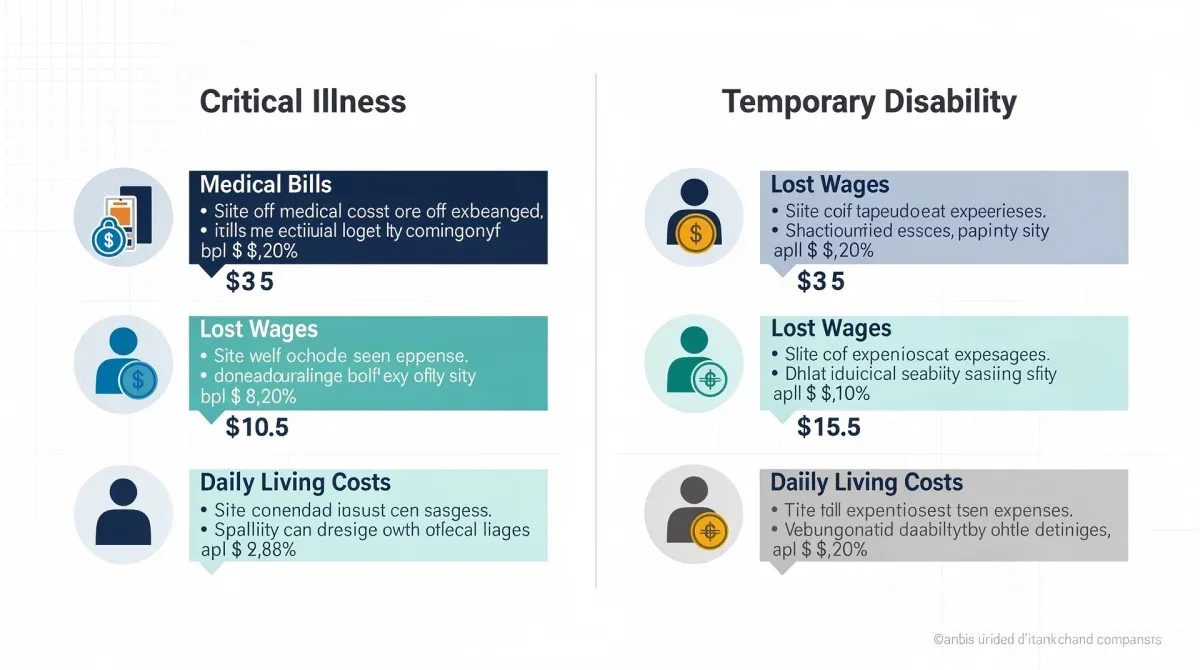
A severe illness can create financial challenges that extend beyond direct medical bills, including transportation expenses, childcare arrangements, reduced working hours, and temporary household adjustments.
Voluntary Disability Insurance addresses a different concern by helping replace eligible lost income when an employee cannot continue working because of a covered condition.
Evaluating the financial impact of both products allows employees to understand how workplace supplemental benefits for 2026 may support different aspects of their household finances during an unexpected health event.
Case Scenarios and Real-World Applications
Consider an employee diagnosed with cancer who holds a critical illness policy covering the specific diagnosis. If the claim satisfies the contract's requirements, the employee may receive a predetermined cash benefit.
If treatment or recovery also prevents the employee from working, a separate disability policy may provide income replacement after its waiting period, provided the employee meets the applicable disability definition.
This hypothetical example demonstrates how different forms of workplace supplemental benefits for 2026 can address both immediate expenses and income disruption, although actual payments depend on individual policy terms and claim decisions.
Benefit Type | Primary Function |
|---|---|
Critical Illness Insurance | Typically provides a predetermined cash benefit following a qualifying diagnosis, subject to policy conditions. |
Voluntary Disability Insurance | Replaces part of eligible income when a covered condition prevents an employee from meeting the policy's work requirements. |
Coverage Scope | Specified medical conditions versus qualifying disability and loss of working capacity. |
Employee Value | Flexible financial support following a covered diagnosis versus recurring income protection during an eligible disability. |
Frequently Asked Questions About Workplace Supplemental Benefits for 2026
What is the main difference between critical illness and voluntary disability insurance?▼
Critical illness insurance generally provides a predetermined cash payment after a qualifying diagnosis, while voluntary disability insurance replaces part of an employee's income when a covered illness or injury prevents them from working. The actual eligibility requirements, payment amounts, and exclusions depend on each insurance contract.
Why should employers offer both types of insurance as workplace supplemental benefits for 2026?▼
Offering both products gives eligible employees access to different forms of financial protection. Critical illness coverage can address expenses associated with a qualifying diagnosis, while disability insurance may help replace income during an extended inability to work. Whether employees need both depends on their existing benefits and financial situation.
Can a critical illness lead to a claim under voluntary disability insurance?▼
Yes. An employee with a qualifying critical illness diagnosis may also become eligible for disability benefits if the medical condition prevents them from meeting their policy's work requirements. However, receiving one benefit does not guarantee approval under the other policy.
Are the payouts from Critical Illness Insurance restricted to medical expenses?▼
Most critical illness policies provide cash benefits that the insured person can generally use for different financial needs, including medical bills, household expenses, and transportation. Employees should still review the contract for any restrictions, limitations, or conditions affecting payment.
What should employees consider when selecting workplace supplemental benefits for 2026?▼
Employees should compare premiums, coverage amounts, covered illnesses, disability definitions, waiting periods, benefit duration, exclusions, and portability. They should also review existing savings and other insurance before deciding which supplemental products provide useful additional protection.
Looking ahead
The comparison between critical illness and voluntary disability insurance demonstrates how two supplemental products can address different financial challenges associated with unexpected medical conditions.
As employees continue reviewing workplace supplemental benefits for 2026, understanding policy details is essential for recognizing potential coverage gaps and avoiding assumptions about guaranteed payments or eligibility.
Careful comparison of insurance contracts, household finances, and existing employer benefits can help workers select coverage that supports their financial needs without paying for unnecessary or poorly understood protection.