DOT Mandates 100% Automatic Cash Refunds for Canceled Flights
Advertisements
The Department of Transportation has issued a nationwide mandate requiring 100% automatic cash refunds for canceled flights, effective immediately. This significant policy shift aims to protect consumers and streamline the refund process for disrupted travel plans. Travelers can now expect prompt, full cash returns without needing to request them.
The Department of Transportation Issues Nationwide Mandate Requiring 100% Automatic Cash Refunds for Canceled Flights, marking a pivotal moment for air travelers across the United States. This new regulation, announced today, ensures that passengers will automatically receive full cash refunds when their flights are canceled, eliminating the often-frustrating process of requesting refunds or accepting vouchers.
This directive from the Department of Transportation comes after years of consumer complaints regarding airlines' handling of canceled flights and refund policies. The mandate is designed to provide greater financial security and transparency for passengers, shifting the burden of initiating refunds from the consumer to the airlines.
The move is expected to have significant implications for both travelers and the airline industry, fundamentally altering how flight cancellations are managed and how passenger rights are upheld. Stakeholders are now analyzing the full scope and immediate operational adjustments required by this sweeping new federal rule.
Understanding the New DOT Automatic Cash Refund Mandate
The Department of Transportation's new mandate solidifies passenger rights by requiring airlines to issue 100% automatic cash refunds for canceled flights. This eliminates previous loopholes where airlines might offer vouchers or credits as a primary option, often leaving travelers feeling shortchanged.
Under the new rule, if an airline cancels a flight, the traveler is entitled to a full cash refund without having to explicitly request it. The refund must be processed automatically within a specified timeframe, ensuring swift compensation for disrupted travel plans.

This significant policy change reflects a commitment from the Department of Transportation to enhance consumer protection and ensure fairness in the airline industry. It addresses a long-standing issue that has caused considerable frustration for millions of passengers over the years.
Key Provisions of the New Mandate
The mandate introduces several critical provisions designed to enforce prompt and automatic refunds. Airlines must now adjust their operational procedures to comply with these stringent new requirements, which go beyond previous guidelines.
Specifically, the rule details the timeframe within which refunds must be issued and clarifies what constitutes a 'canceled' flight for refund purposes. It also outlines enforcement mechanisms to ensure airline compliance and deter violations.
- Automatic Issuance: Refunds are no longer opt-in; they are automatically processed.
- 100% Cash Refund: Travelers receive the full ticket price back in cash, not vouchers.
- Defined Timeframes: Airlines must issue refunds within 7 business days for credit card purchases and 20 calendar days for other payment methods.
- Broad Scope: Applies to all domestic and international flights to or from the U.S.
These provisions are a direct response to widespread complaints and aim to establish a clear, unambiguous standard for passenger compensation. The Department of Transportation is setting a new benchmark for airline accountability.
Impact on Travelers: What to Expect Now
For travelers, the Department of Transportation Issues Nationwide Mandate Requiring 100% Automatic Cash Refunds for Canceled Flights signifies a major victory. The uncertainty and hassle associated with obtaining refunds for canceled flights are now significantly reduced, leading to greater peace of mind when booking air travel.
Passengers can expect a more transparent and predictable process, knowing that their money will be returned promptly if their flight is canceled. This reduces the financial risk associated with last-minute flight disruptions, which have become increasingly common.
This directive empowers consumers by placing the responsibility firmly on airlines to manage cancellations and refunds efficiently. The new rule ensures that travelers are not left to navigate complex refund request systems during already stressful travel situations.
Enhanced Consumer Protection and Confidence
The new mandate is poised to boost consumer confidence in air travel by providing a robust safety net against flight cancellations. Travelers can book with greater assurance, knowing their financial interests are protected by federal law.
This improved protection could also influence booking behaviors, potentially encouraging more people to travel by air without the previous anxieties about lost funds due to cancellations. The Department of Transportation is effectively restoring trust in the system.
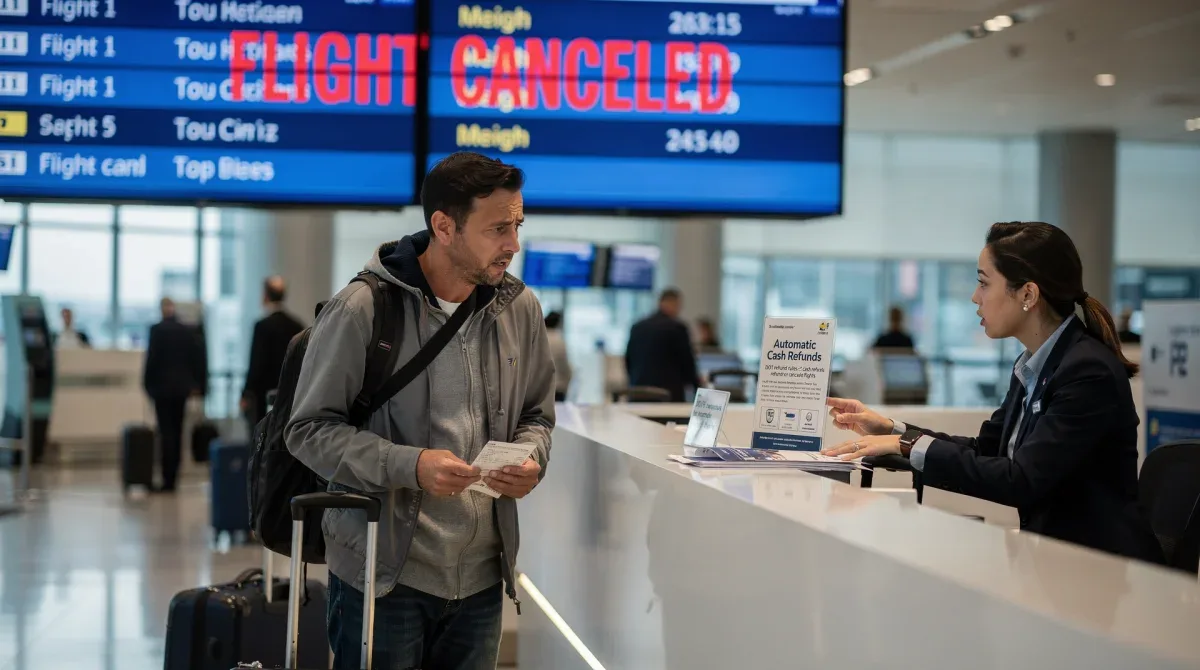
- Reduced Stress: No need to actively pursue refunds for canceled flights.
- Financial Security: Guaranteed return of funds, protecting travel budgets.
- Clearer Expectations: Understand rights and refund timelines upfront.
- Fair Treatment: Eliminates disputes over vouchers versus cash.
Ultimately, this regulation simplifies the post-cancellation experience, allowing travelers to focus on rebooking or adjusting their plans rather than battling for their money back. It's a significant step towards a more traveler-friendly airline industry.
Challenges and Adjustments for Airlines
While beneficial for consumers, the Department of Transportation Issues Nationwide Mandate Requiring 100% Automatic Cash Refunds for Canceled Flights presents substantial operational and financial challenges for airlines. Carriers must rapidly adapt their systems and processes to comply with the new federal requirements.
Airlines will need to invest in technology upgrades to automate refund processing and ensure compliance within the strict timeframes. This includes updating booking systems, customer service protocols, and financial reconciliation procedures to handle a higher volume of automatic cash refunds.
The financial implications are also considerable, as airlines will no longer be able to retain funds from canceled flights or rely on issuing vouchers as a primary alternative. This could impact cash flow and require adjustments to their financial planning and risk management strategies.
Operational Overhaul and Financial Implications
Implementing an automatic refund system demands a complete overhaul of existing customer service and financial departments. Training staff on new procedures and ensuring seamless execution will be paramount to avoid penalties.
Airlines must also meticulously track cancellations and refund eligibility to prevent errors and ensure accurate, timely payouts. This level of precision requires robust internal controls and audit capabilities.
- System Upgrades: Investment in new software and automation tools.
- Staff Training: Reworking customer service protocols for automatic refunds.
- Cash Flow Management: Adjusting financial models for increased cash outflows.
- Compliance Monitoring: Establishing internal audit processes to meet DOT standards.
The airline industry will undoubtedly face a period of significant adjustment as it integrates these new requirements into its core operations. The Department of Transportation expects full compliance and will monitor implementation closely.
Enforcement and Penalties for Non-Compliance
The Department of Transportation is not merely issuing a guideline; it is implementing a legally binding mandate with clear enforcement mechanisms. Airlines found in non-compliance with the automatic cash refund rule will face significant penalties, underscoring the seriousness of this regulatory shift.
The DOT has indicated that it will actively monitor airline adherence through consumer complaints and regular audits. This proactive approach aims to ensure that the spirit of the law is upheld and that travelers truly benefit from the new protections.
Penalties for violations could include substantial fines per incident, which could quickly accumulate given the volume of flight cancellations. This financial deterrent is designed to motivate airlines to prioritize compliance and invest in the necessary operational changes.
DOT's Role in Upholding Traveler Rights
The Department of Transportation views this mandate as a critical step in its ongoing mission to protect air travelers. It reflects a commitment to holding airlines accountable for disruptions that significantly impact passengers.
Travelers who believe an airline has violated the new refund rule will have clear avenues to file complaints with the DOT, which will then investigate and take appropriate action. This provides a direct channel for redress and ensures the mandate has teeth.
- Fines and Sanctions: Significant financial penalties for each violation.
- Active Monitoring: DOT will review complaints and conduct audits.
- Consumer Complaint Process: Clear channels for passengers to report non-compliance.
- Public Reporting: Potential for public disclosure of non-compliant airlines.
This robust enforcement framework is essential to ensure the Department of Transportation Issues Nationwide Mandate Requiring 100% Automatic Cash Refunds for Canceled Flights achieves its intended purpose of consumer protection.
Historical Context of Flight Refund Policies
The Department of Transportation Issues Nationwide Mandate Requiring 100% Automatic Cash Refunds for Canceled Flights is not an isolated event but rather the culmination of years of evolving consumer advocacy and regulatory efforts. Historically, airline refund policies have varied widely, often favoring carriers over passengers.
Prior to this mandate, many airlines adopted policies that made obtaining cash refunds for canceled flights a challenging, often protracted process. Vouchers or future travel credits were frequently offered as the default, even when cash was legally due.
The COVID-19 pandemic further exacerbated these issues, as mass cancellations led to a surge in refund disputes, highlighting systemic weaknesses in existing regulations. This period underscored the urgent need for clearer, more enforceable rules to protect consumers.
Evolution of Consumer Protections
Consumer advocacy groups have long pushed for stronger protections regarding flight cancellations and refunds. Their persistent efforts, coupled with increasing public and political pressure, have paved the way for this significant regulatory change.
Previous DOT guidance often required passengers to actively seek cash refunds, creating an administrative hurdle. The new mandate removes this barrier, making the process truly automatic and significantly strengthening consumer rights.
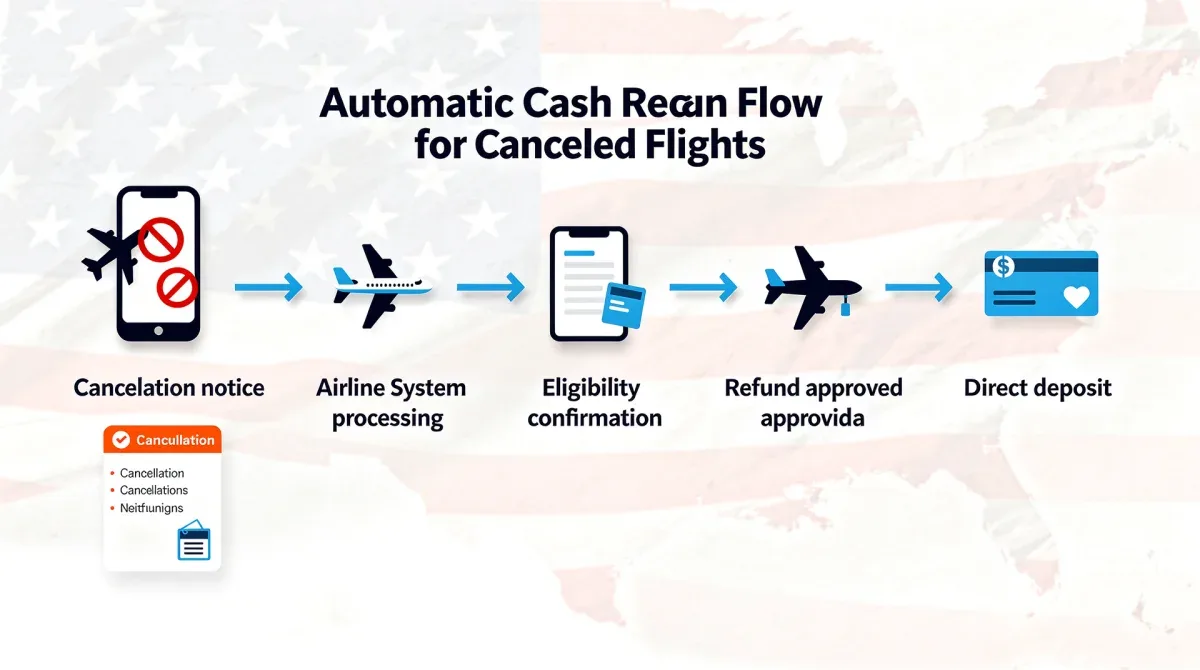
- Pre-Mandate: Varied airline policies, often favoring vouchers.
- Pandemic Impact: Highlighted inadequacies in existing refund processes.
- Advocacy Push: Consumer groups lobbied for stronger federal action.
- New Standard: Automatic cash refunds as the default for canceled flights.
This historical perspective illustrates the long road to achieving this level of consumer protection, emphasizing the importance of the Department of Transportation's current decisive action.
Future Outlook for Air Travel and Consumer Rights
The Department of Transportation Issues Nationwide Mandate Requiring 100% Automatic Cash Refunds for Canceled Flights sets a new precedent for consumer rights in air travel. This landmark decision is likely to influence future regulatory actions, both domestically and potentially internationally, as other nations observe its impact.
This mandate could foster a more competitive environment among airlines, where robust customer service and fair refund practices become a key differentiator. Carriers that adapt quickly and seamlessly will likely gain a competitive edge in attracting and retaining travelers.
Furthermore, this move signals a broader commitment from regulatory bodies to actively intervene when market practices are deemed unfair or detrimental to consumers. It reinforces the idea that essential services, like air travel, must adhere to high standards of transparency and accountability.
Potential for Further Regulatory Action
The success of this mandate could encourage the Department of Transportation to explore additional areas of consumer protection within the airline industry. This might include regulations concerning flight delays, lost baggage, or pricing transparency.
The focus on automatic and clear processes could extend beyond refunds, aiming to simplify other aspects of air travel that often lead to passenger frustration. This proactive approach could redefine the relationship between travelers and airlines for years to come.
- New Benchmark: Establishes a higher standard for airline accountability.
- Competitive Influence: Encourages airlines to prioritize customer service.
- Broader Impact: Could inspire similar regulations in other travel sectors.
- Evolving Rights: Signals continued efforts to strengthen traveler protections.
The Department of Transportation's bold step with automatic cash refunds for canceled flights is a clear indication that consumer rights are taking center stage in the future of air travel.
| Key Point | Brief Description |
|---|---|
| Mandate Overview | DOT requires 100% automatic cash refunds for canceled flights. |
| Traveler Benefits | Enhanced protection, automatic refunds, and reduced hassle. |
| Airline Impact | Operational adjustments, system upgrades, and financial implications. |
| Enforcement | DOT monitoring, significant penalties for non-compliance. |
Frequently Asked Questions About DOT Refunds
What exactly does 'automatic cash refund' mean?▼It means if your flight is canceled by the airline, you will receive a full cash refund to your original payment method without needing to request it. The airline is mandated to initiate this process automatically, removing the need for passenger intervention.
How quickly will I receive my refund for canceled flights?▼Under the new Department of Transportation mandate, airlines must process refunds for credit card purchases within 7 business days. For other payment methods, the refund must be issued within 20 calendar days from the date of cancellation.
Does this mandate apply to all canceled flights?▼Yes, the Department of Transportation Issues Nationwide Mandate Requiring 100% Automatic Cash Refunds for Canceled Flights applies to all domestic and international flights to or from the United States. This ensures broad coverage for most U.S. travelers.
What if an airline offers me a travel voucher instead of cash?▼The mandate explicitly states 100% automatic cash refunds for canceled flights. While airlines may still offer vouchers, you are legally entitled to and should receive a cash refund automatically. You do not have to accept a voucher as an alternative.
What should I do if an airline does not comply with the new refund rule?▼If an airline fails to provide an automatic cash refund for a canceled flight within the specified timeframe, you should file a complaint directly with the Department of Transportation. The DOT will investigate and take appropriate enforcement action against non-compliant carriers.
Impact and Implications
The Department of Transportation Issues Nationwide Mandate Requiring 100% Automatic Cash Refunds for Canceled Flights represents a significant shift in consumer protection within the airline industry. This move not only provides immediate relief for travelers facing canceled flights but also sets a strong precedent for future regulatory actions. It underscores a commitment to holding airlines accountable and ensuring fairness in travel, compelling carriers to prioritize customer experience and operational efficiency.