White House Caps Overdraft Fees at $8: What Consumers Need to Know
Advertisements
The White House has officially finalized its groundbreaking policy, capping overdraft fees at $8 across all national financial institutions. This significant move aims to provide substantial relief to millions of American consumers, reshaping the landscape of banking charges. The new rule will impact how banks operate and how account holders manage their finances.
The White House Finalizes Policy Capping Overdraft Fees at $8 Across National Financial Institutions, marking a pivotal moment for consumer financial protection in the United States. This decision, announced today, is set to fundamentally alter how banks assess charges for insufficient funds, directly benefiting millions of account holders. The finalized rule reflects a concerted effort to alleviate the burden of excessive fees that have disproportionately affected vulnerable populations for years.
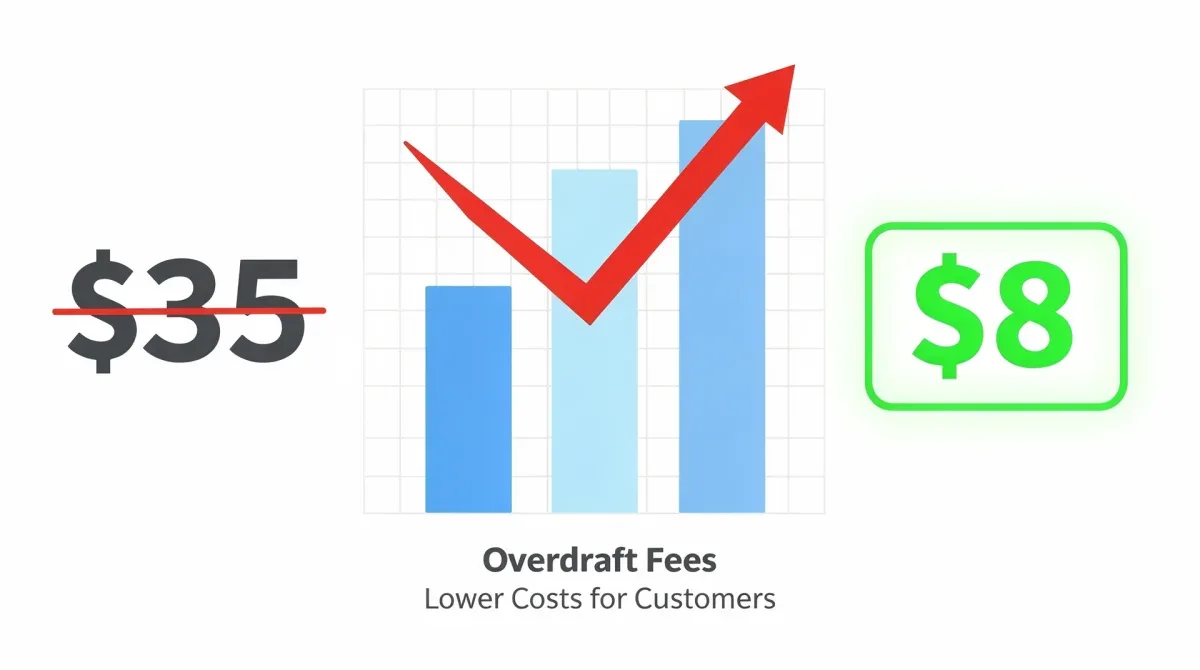
This landmark policy comes after extensive deliberation and public feedback, culminating in a clear directive from the White House. It establishes a new ceiling for overdraft fees, significantly lower than the industry average, which often hovered around $30 to $35. Financial institutions nationwide will now be required to adhere to this new cap, ushering in an era of potentially fairer banking practices.
Understanding the New Overdraft Fee Cap
The new policy capping overdraft fees at $8 is a direct response to growing concerns about predatory banking practices and the financial strain these fees place on consumers. It represents a significant victory for advocates who have long pushed for stricter regulations on bank charges. This move is expected to save American households billions of dollars annually, redirecting those funds back into the pockets of everyday citizens.
The finalized rule specifies that national financial institutions, including large banks and credit unions, must cap their overdraft charges at $8 per transaction. This uniform standard aims to eliminate the wide disparities in fees that previously existed across different banks, creating a more predictable and equitable system for consumers. The White House Finalizes Policy Capping Overdraft Fees at $8 Across National Financial Institutions to ensure broader financial stability.

This policy is designed to foster greater transparency and fairness in the banking sector, compelling institutions to rethink their revenue models that heavily relied on these fees. It encourages banks to develop more consumer-friendly options for managing short-term liquidity needs. The White House Finalizes Policy Capping Overdraft Fees at $8 Across National Financial Institutions, setting a new precedent.
The Rationale Behind the $8 Cap
- Consumer Protection: The primary goal is to protect consumers, particularly those living paycheck to paycheck, from exorbitant fees that can quickly spiral into significant debt.
- Economic Relief: By reducing the financial burden of overdrafts, the policy aims to free up household income, allowing consumers to allocate funds to essential needs or savings.
- Fairer Banking Practices: It encourages financial institutions to adopt more ethical and transparent practices, fostering greater trust between banks and their customers.
The decision to cap overdraft fees at $8 was informed by extensive research into the actual cost to banks of processing an overdraft, which is significantly lower than what was typically charged. This data-driven approach underscores the administration's commitment to evidence-based policymaking. The White House Finalizes Policy Capping Overdraft Fees at $8 Across National Financial Institutions after careful consideration.
Impact on Consumers: A New Era of Financial Relief
For millions of Americans, the implementation of the new $8 overdraft fee cap will bring substantial financial relief. Previously, a single overdraft could trigger a cascade of fees, often leading to a cycle of debt that was difficult to escape. The new policy aims to break this cycle, providing a much-needed safety net for those who occasionally overdraw their accounts.
Consumers can expect to see a direct reduction in the cost of accidental overdrafts, making it easier to manage their finances without fear of punitive charges. This change is particularly impactful for low-income individuals and families, who are disproportionately affected by high overdraft fees. The White House Finalizes Policy Capping Overdraft Fees at $8 Across National Financial Institutions to support these communities.
Beyond the immediate financial savings, the policy also empowers consumers with greater peace of mind. Knowing that overdraft fees are capped at a reasonable amount can reduce stress and anxiety associated with managing daily expenses. This move fosters a more secure financial environment for everyone. The White House Finalizes Policy Capping Overdraft Fees at $8 Across National Financial Institutions, emphasizing consumer well-being.
How Consumers Can Prepare for the Change
- Review Bank Policies: Check with your bank to understand how they will implement the new $8 cap and any changes to their overdraft protection programs.
- Monitor Account Balances: Continue to closely monitor your account balances to avoid overdrafts, even with the reduced fee. Proactive management is always best.
- Explore Alternatives: Consider opting out of overdraft protection if you prefer to have transactions declined rather than incurring a fee, or explore linking your checking account to a savings account for automatic transfers.
The effective date for this new policy will be communicated by financial institutions, and consumers are encouraged to stay informed about when these changes will take effect at their specific banks. This proactive approach will ensure a smooth transition and maximize the benefits of the new regulations. The White House Finalizes Policy Capping Overdraft Fees at $8 Across National Financial Institutions, and communication will be key.
Reactions from the Banking Industry and Financial Institutions
The White House's decision to cap overdraft fees at $8 has elicited a mixed reaction from the banking industry. While consumer advocacy groups have lauded the move as a crucial step towards fairer banking, some financial institutions have expressed concerns about potential impacts on their revenue streams and operational models. Many banks have historically relied on overdraft fees as a significant source of income.
Industry associations are currently analyzing the full implications of the new policy, assessing how it will affect their members' profitability and service offerings. Some larger banks have already begun adjusting their fee structures in anticipation of this regulation, seeking alternative ways to generate revenue or enhance customer loyalty through other services. The White House Finalizes Policy Capping Overdraft Fees at $8 Across National Financial Institutions, prompting industry shifts.
Smaller community banks and credit unions may face different challenges and opportunities under the new cap. Many of these institutions already offer lower fees or more flexible overdraft policies, potentially giving them a competitive advantage. The White House Finalizes Policy Capping Overdraft Fees at $8 Across National Financial Institutions, encouraging innovation in banking services.
Adjustments Banks May Implement
- Alternative Revenue Streams: Banks may explore new fee structures for premium services, or increase interest rates on certain loans to offset lost overdraft fee revenue.
- Enhanced Financial Literacy Programs: Some institutions might invest more in tools and programs to help customers manage their money better, thereby reducing overdraft occurrences.
- Technology Upgrades: Implementing real-time balance alerts and predictive spending tools could help customers avoid overdrafts, aligning with the spirit of the new policy.
The transition period will be critical for banks to adapt their systems and communicate changes effectively to their customers. Compliance with the new $8 cap will be closely monitored by regulatory bodies to ensure fair implementation across the board. The White House Finalizes Policy Capping Overdraft Fees at $8 Across National Financial Institutions, and compliance is paramount.
Regulatory Framework and Enforcement
The finalization of the policy capping overdraft fees at $8 comes with a robust regulatory framework designed to ensure compliance and protect consumers. Federal agencies, including the Consumer Financial Protection Bureau (CFPB) and the Office of the Comptroller of the Currency (OCC), will play key roles in overseeing the implementation and enforcement of these new rules. These agencies are tasked with monitoring bank practices and addressing any violations.
The regulatory guidelines will detail specific requirements for how banks must disclose their overdraft policies and how the $8 cap applies to various types of transactions. This clarity is essential to prevent loopholes or creative interpretations that could undermine the intent of the policy. The White House Finalizes Policy Capping Overdraft Fees at $8 Across National Financial Institutions, backed by strong regulatory oversight.
Enforcement actions for non-compliance could include fines, penalties, and mandates for corrective action, ensuring that financial institutions adhere strictly to the new cap. This rigorous oversight aims to build consumer confidence in the banking system. The White House Finalizes Policy Capping Overdraft Fees at $8 Across National Financial Institutions with a clear commitment to enforcement.
Key Regulatory Bodies Involved
- Consumer Financial Protection Bureau (CFPB): Responsible for protecting consumers in the financial marketplace, including enforcing regulations related to overdraft fees.
- Office of the Comptroller of the Currency (OCC): Supervises national banks and federal savings associations, ensuring their safety, soundness, and fair treatment of customers.
- Federal Deposit Insurance Corporation (FDIC): Insures deposits and supervises state-chartered banks that are not members of the Federal Reserve System, also playing a role in consumer protection.
The collaborative efforts of these agencies will be crucial in ensuring that the new overdraft fee cap is effectively implemented across all national financial institutions. Consumers will have avenues to report non-compliance, further strengthening the enforcement mechanism. The White House Finalizes Policy Capping Overdraft Fees at $8 Across National Financial Institutions, and consumer vigilance is encouraged.
Historical Context of Overdraft Fees and Reform Efforts
Overdraft fees have been a contentious issue for decades, with their prevalence and magnitude increasing significantly over time. Historically, these fees were introduced as a way for banks to cover the costs associated with processing transactions where insufficient funds were available. However, in recent years, they have evolved into a substantial revenue generator for many financial institutions, often criticized for being disproportionately high compared to the actual cost incurred by banks.
Prior to this new policy, various consumer advocacy groups and lawmakers have consistently pushed for reforms, highlighting the regressive nature of high overdraft fees. These efforts have led to some voluntary changes by individual banks and incremental regulatory adjustments, but a comprehensive national cap remained elusive until now. The White House Finalizes Policy Capping Overdraft Fees at $8 Across National Financial Institutions, marking a culmination of these long-standing efforts.
The current administration has made consumer protection a cornerstone of its economic policy, and addressing overdraft fees aligns perfectly with this broader agenda. This latest action builds upon previous initiatives aimed at reducing junk fees across various sectors, demonstrating a sustained commitment to easing financial burdens on American families. The White House Finalizes Policy Capping Overdraft Fees at $8 Across National Financial Institutions as part of a larger strategy.
Milestones in Overdraft Fee Reform
- Early 2000s: Growing public awareness and criticism of rising overdraft fees.
- 2010 Durbin Amendment: While primarily focused on debit card interchange fees, it indirectly spurred some discussions around overdraft practices.
- Recent Years: Increased pressure from consumer groups and legislative proposals for a national cap on overdraft fees.

This policy is a significant milestone in the ongoing effort to create a more equitable financial system. It reflects a shift in regulatory philosophy, prioritizing consumer welfare over bank profitability when it comes to certain fees. The White House Finalizes Policy Capping Overdraft Fees at $8 Across National Financial Institutions, setting a new standard for fairness.
Future Outlook: Beyond the Overdraft Cap
The decision to cap overdraft fees at $8 is likely just one step in a broader movement towards greater consumer protection in the financial sector. Experts anticipate that this policy could pave the way for further reforms aimed at other types of bank fees and charges that are often deemed excessive or opaque. The administration has signaled its intent to continue scrutinizing practices that create unnecessary financial burdens for consumers.
Discussions may broaden to include other "junk fees" such as maintenance fees, ATM fees, or charges for certain banking services. The success of the overdraft fee cap will likely serve as a blueprint for how future regulatory interventions might be structured. The White House Finalizes Policy Capping Overdraft Fees at $8 Across National Financial Institutions, setting a precedent for future actions.
Furthermore, this policy could spur greater innovation within the banking industry, as institutions look for new ways to attract and retain customers in a more competitive and consumer-friendly environment. This could lead to the development of new products and services that prioritize financial wellness. The White House Finalizes Policy Capping Overdraft Fees at $8 Across National Financial Institutions, encouraging innovation.
Potential Areas for Future Financial Reforms
- ATM Fees: Examining charges for out-of-network ATM withdrawals.
- Account Maintenance Fees: Reviewing monthly or annual fees for basic checking and savings accounts.
- Credit Card Late Fees: Potentially capping or reducing fees for late credit card payments.
The long-term impact of the overdraft fee cap will depend on its effective implementation and the ongoing dialogue between regulators, financial institutions, and consumer advocates. This policy represents a significant step towards a more transparent and equitable financial system for all Americans. The White House Finalizes Policy Capping Overdraft Fees at $8 Across National Financial Institutions, signaling a new direction.
Addressing Consumer Concerns and Misconceptions
As with any significant policy change, the White House's decision to cap overdraft fees at $8 may lead to various consumer concerns and potential misconceptions. It is crucial for financial institutions and consumer advocates to provide clear, accurate information to ensure that the public fully understands the implications of this new rule. One common concern might be whether banks will simply introduce new fees to offset lost revenue, a scenario that regulators are keen to prevent.
Another misconception could be that the cap eliminates overdraft fees entirely, which is not the case; it merely sets a maximum limit. Consumers must still be diligent in managing their accounts to avoid incurring any fees. Clear communication about the types of transactions covered by the cap and any exceptions will be vital for consumer understanding. The White House Finalizes Policy Capping Overdraft Fees at $8 Across National Financial Institutions, but vigilance remains necessary.
Financial literacy initiatives will play an even greater role in helping consumers navigate these changes and make informed decisions about their banking services. Empowering individuals with knowledge about their rights and responsibilities is key to maximizing the benefits of this policy. The White House Finalizes Policy Capping Overdraft Fees at $8 Across National Financial Institutions, underscoring the importance of informed consumers.
Common Questions Consumers Might Have
- Will all my overdrafts now be $8? The cap applies to fees, not the overdraft itself. Banks may still decline transactions or charge the capped fee.
- Will my bank introduce new fees? Regulators will monitor for new fees designed to circumvent the spirit of the policy.
- Does this apply to all banks? The policy covers national financial institutions, impacting a vast majority of US consumers.
By proactively addressing these and other questions, stakeholders can ensure that the policy's benefits are fully realized and that consumers are well-prepared for the changes. Transparent communication is the cornerstone of successful policy implementation. The White House Finalizes Policy Capping Overdraft Fees at $8 Across National Financial Institutions, aiming for clarity.
| Key Point | Brief Description |
|---|---|
| New Fee Cap | Overdraft fees are now capped at $8 across national financial institutions. |
| Consumer Impact | Millions of consumers will see significant financial relief from lower fees. |
| Banking Industry | Banks must adapt revenue models; some may innovate services. |
| Regulatory Oversight | CFPB and OCC will ensure compliance and protect against violations. |
Frequently Asked Questions About Overdraft Fees
What exactly does the new White House policy on overdraft fees mean?▼The new policy means that national financial institutions can now charge a maximum of $8 for an overdraft fee, a significant reduction from previous averages. This aims to protect consumers from excessive charges and promote fairer banking practices nationwide. The White House Finalizes Policy Capping Overdraft Fees at $8 Across National Financial Institutions to bring direct financial relief.
When will the $8 overdraft fee cap take effect?▼While the White House Finalizes Policy Capping Overdraft Fees at $8 Across National Financial Institutions, the exact effective date for individual banks will vary. Financial institutions are expected to communicate these changes to their customers. It's advisable to check with your specific bank for their implementation timeline and updated policies.
Which financial institutions are covered by this new policy?▼The policy applies to national financial institutions, including large banks and credit unions across the United States. This broad coverage ensures that a significant majority of American consumers will benefit from the new $8 overdraft fee cap. The White House Finalizes Policy Capping Overdraft Fees at $8 Across National Financial Institutions for widespread impact.
Will banks introduce other fees to compensate for the lost overdraft revenue?▼Regulatory bodies, such as the CFPB, will be closely monitoring banking practices to prevent the introduction of new, exploitative fees designed to circumvent the spirit of this policy. The goal is genuine consumer protection, not a mere reshuffling of charges. The White House Finalizes Policy Capping Overdraft Fees at $8 Across National Financial Institutions to truly help consumers.
What should I do if my bank charges more than $8 for an overdraft after the policy takes effect?▼If you believe your bank is not complying with the new $8 overdraft fee cap, you should first contact your bank directly to clarify. If the issue remains unresolved, you can file a complaint with the Consumer Financial Protection Bureau (CFPB) for investigation. The White House Finalizes Policy Capping Overdraft Fees at $8 Across National Financial Institutions with enforcement in mind.
Looking Ahead
The White House Finalizes Policy Capping Overdraft Fees at $8 Across National Financial Institutions, marking a significant victory for consumer advocates and a substantial relief for millions of Americans. This policy is expected to reshape the banking landscape, driving institutions towards more transparent and equitable practices. Moving forward, it will be crucial for consumers to stay informed about their bank's updated policies and for regulatory bodies to ensure rigorous enforcement. This action sets a powerful precedent for future efforts to tackle other 'junk fees' and foster a fairer financial system for all. The full impact of the White House Finalizes Policy Capping Overdraft Fees at $8 Across National Financial Institutions will unfold in the coming months.