Federal Reserve Holds Interest Rates at 4.25%
Advertisements
Latest developments on Federal Reserve Holds Interest Rates at 4.25% Following Latest National Labor Market Report, with key facts, verified sources and what readers need to monitor next in Estados Unidos, presented clearly in Inglês (Estados Unidos) (en-US).
The Federal Reserve Holds Interest Rates at 4.25% Following Latest National Labor Market Report, a decision that is shaping today's economic agenda with new details released by central bank officials. This update prioritizes what changed, why it matters, and what to watch next in a straightforward news format, directly impacting financial markets and consumer confidence.
This steadfast approach by the Federal Reserve underscores a careful assessment of current economic indicators, particularly the robust yet evolving labor market. The implications of maintaining this rate are far-reaching, influencing everything from mortgage rates to business investment strategies across the nation.
Understanding the rationale behind this decision requires a deep dive into the Federal Reserve's dual mandate of maximizing employment and maintaining price stability. The confluence of these objectives guides their monetary policy, making today's announcement a critical point for economic observers.
Authorities confirmed new timelines and outlined initial impacts across different regions, following the Federal Open Market Committee (FOMC) meeting. Statements from Federal Reserve representatives indicate short-term adjustments and a more defined path for upcoming decisions, emphasizing data dependency.
This decision aligns with the Federal Reserve's commitment to a cautious and measured approach, avoiding abrupt shifts that could destabilize the economy. The committee's forward guidance suggests continued vigilance over inflation and employment trends, which remain central to their policy outlook.
The announcement also reflects ongoing debates within the Federal Reserve regarding the appropriate balance between curbing inflation and supporting economic growth. This delicate equilibrium is constantly re-evaluated based on incoming economic data and global financial conditions.
Understanding the Federal Reserve's Latest Decision
The Federal Reserve's recent announcement to maintain its benchmark interest rate at 4.25% comes after a thorough review of the latest national labor market report. This decision signals a period of stability in monetary policy, aiming to assess the cumulative impact of previous rate hikes.

The central bank's stance reflects a careful balance, acknowledging both the resilience of the labor market and persistent inflationary pressures. Policymakers are navigating a complex economic landscape, seeking to achieve a 'soft landing' for the economy.
This move is particularly significant for financial markets, which closely monitor the Federal Reserve's signals for future policy direction. The stability in rates provides some clarity for investors and businesses planning their strategies in the near term.
The Role of the National Labor Market Report
The national labor market report played a pivotal role in the Federal Reserve's decision-making process. Strong employment figures and wage growth indicate a robust economy, but also raise concerns about potential inflationary pressures if demand outstrips supply.
Conversely, signs of cooling in certain sectors of the labor market could suggest that previous monetary tightening is having its intended effect. The Federal Reserve must interpret these signals carefully to avoid over-tightening or under-tightening the economy.
- Key employment indicators analyzed: unemployment rate, job growth, wage increases.
- Impact on inflation: how labor costs influence overall price levels.
- Economic strength: reflecting consumer spending capacity and business confidence.
The report provides a snapshot of economic health, influencing the Federal Reserve's projections for inflation and economic growth. This data-driven approach is fundamental to their mandate of maintaining price stability and maximum employment.
Implications for the U.S. Economy
Maintaining the interest rate at 4.25% has broad implications for various sectors of the U.S. economy. Consumers will continue to face current borrowing costs for mortgages, auto loans, and credit cards, impacting their purchasing power and investment decisions.
Businesses, particularly those reliant on financing for expansion or operations, will find the cost of capital relatively stable. This can influence investment in new projects, hiring plans, and overall economic activity, shaping the growth trajectory.
The decision also impacts the housing market, where stable mortgage rates could offer some predictability for buyers and sellers. However, affordability remains a key concern given the elevated home prices in many regions.
Impact on Inflationary Pressures
The Federal Reserve's decision is deeply intertwined with its efforts to bring inflation back to its 2% target. Holding rates steady allows the central bank to observe if current policy settings are sufficient to cool price increases without triggering a recession.
While the labor market remains strong, the Federal Reserve is vigilant about service sector inflation and other sticky price components. The current rate is designed to temper demand, gradually bringing it into alignment with supply capacity.
- Monitoring core inflation: excluding volatile food and energy prices for a clearer picture.
- Supply chain dynamics: assessing their role in persistent price pressures.
- Consumer spending habits: how they react to current economic conditions and interest rates.
The central bank's communication emphasizes that future adjustments will be data-dependent, meaning any significant shifts in inflation or employment figures could prompt a change in policy. This flexibility is crucial in an evolving economic environment.
Market Reactions and Expert Analysis
Financial markets generally reacted with a sense of relief and predictability to the Federal Reserve's decision. Stability in interest rates often reduces market volatility, allowing investors to recalibrate their portfolios based on a clearer monetary policy outlook.
Economists and market analysts are now dissecting the Federal Reserve's accompanying statements for clues about the timing of potential future rate cuts or hikes. The consensus appears to be that the central bank is adopting a wait-and-see approach, prioritizing data over predefined timelines.
Many experts suggest that the Federal Reserve is giving its previous tightening measures more time to fully transmit through the economy. This period of observation is crucial for understanding the true impact of the policy on various economic indicators.
What Analysts are Saying
According to several leading economists, the Federal Reserve's decision reflects a prudent strategy in the face of conflicting economic signals. While inflation has cooled from its peak, it remains above the target, necessitating continued vigilance.
Analysts also point to the resilience of consumer spending as a factor giving the Federal Reserve room to maintain its current stance. Strong consumer demand, supported by a healthy labor market, continues to underpin economic activity.
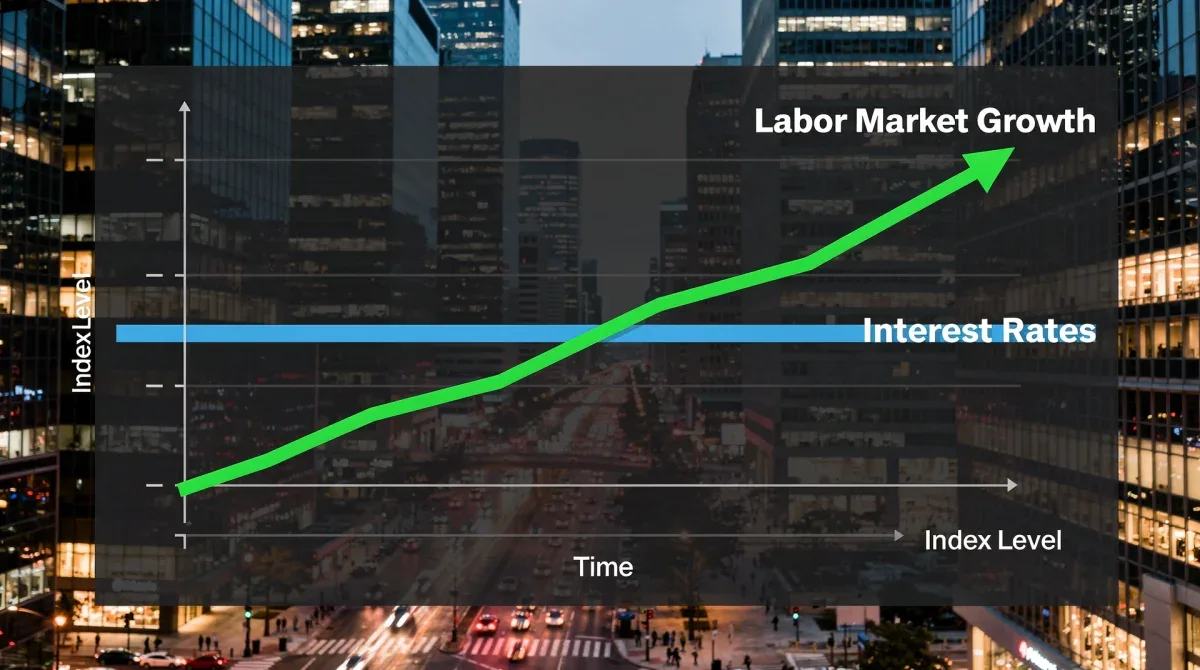
The Federal Reserve's emphasis on flexibility and data dependency resonates with market expectations for a cautious approach. This allows the central bank to respond effectively to unforeseen economic developments without committing to a rigid path.
Global Economic Context and Considerations
The Federal Reserve's decision to maintain interest rates at 4.25% is not made in isolation; it considers the broader global economic landscape. International economic conditions, including inflation rates and growth trajectories in major trading partners, can influence U.S. economic stability.
A strong U.S. dollar, often a consequence of higher interest rates, can impact global trade and the competitiveness of American exports. This is a factor the Federal Reserve continuously monitors, alongside domestic considerations.
Geopolitical events and supply chain disruptions also play a role in the Federal Reserve's outlook, as they can directly affect commodity prices and overall inflation. The interconnectedness of global economies means that external factors are always part of the policy equation.
International Market Responses
Central banks around the world closely watch the Federal Reserve's actions, given the U.S. dollar's role as a global reserve currency. The stability in U.S. rates can influence monetary policy decisions in other countries, particularly those with strong trade ties to the United States.
Emerging markets, in particular, often feel the ripple effects of Federal Reserve policy. Higher U.S. rates can lead to capital outflows from these economies, putting pressure on their currencies and financial systems.
The Federal Reserve's transparent communication helps global markets anticipate and react to policy shifts, fostering greater stability. This global coordination, even if indirect, is vital for maintaining a healthy international financial system.
Future Outlook and Potential Policy Shifts
Looking ahead, the Federal Reserve's future policy decisions will hinge heavily on the evolution of key economic data. The path of inflation, the strength of the labor market, and broader economic growth indicators will all factor into their next moves.
While the current stance is one of holding steady, the possibility of future rate adjustments, either cuts or hikes, remains on the table. The Federal Reserve has repeatedly stated its commitment to achieving its dual mandate, adapting as conditions change.
Market participants are now keenly focused on upcoming economic reports, including the Consumer Price Index (CPI) and Producer Price Index (PPI), along with subsequent labor market data. These will provide crucial insights into the effectiveness of current monetary policy.
Key Economic Indicators to Watch
Investors and analysts will be paying close attention to several indicators that could signal a shift in the Federal Reserve's thinking. These include not just headline inflation figures, but also underlying components that reflect structural price pressures.
Employment cost index data will be particularly scrutinized for signs of wage-driven inflation, while consumer sentiment surveys can offer insights into future spending patterns. Manufacturing and services sector data will also provide a pulse on economic activity.
- Inflation trends: focusing on core PCE (Personal Consumption Expenditures) as the Federal Reserve's preferred measure.
- Labor market dynamics: beyond the headline unemployment rate, looking at participation rates and job openings.
- Economic growth: GDP reports and business investment trends will indicate the overall health of the economy.
The Federal Reserve's communication will continue to be a vital tool for guiding market expectations. Any subtle changes in language from policymakers could signal a pivot in their strategy, making every statement a critical piece of information.
Impact on Businesses and Consumers
The decision by the Federal Reserve Holds Interest Rates at 4.25% Following Latest National Labor Market Report has a tangible impact on both businesses and consumers across the United States. For businesses, borrowing costs for expansion, inventory, or operational needs remain at current levels, influencing investment decisions.
Smaller businesses, often more sensitive to interest rate fluctuations, will find their access to credit and the cost of capital unchanged. This stability can provide a predictable environment for financial planning, but it also means borrowing remains relatively expensive compared to recent years.
Consumers will continue to experience current rates on various forms of credit, from mortgages to personal loans and credit cards. This influences decisions on major purchases, refinancing opportunities, and overall household budgets.
Consumer Borrowing and Spending
For consumers, maintaining the 4.25% interest rate means that the cost of new debt will not immediately increase, but it also means no immediate relief from higher borrowing costs. This can affect the affordability of homes, cars, and other financed goods.
Credit card interest rates, which are often tied to the prime rate, will also remain stable, impacting the cost of revolving debt. This encourages prudent financial management and potentially slower growth in consumer credit.

The Federal Reserve's policy aims to moderate demand to combat inflation, and stable, higher interest rates are a key mechanism for achieving this. Consumers may adjust their spending and saving habits in response to these financial conditions.
Navigating the Current Financial Landscape
In light of the Federal Reserve's decision, navigating the current financial landscape requires a strategic approach for both individuals and corporations. Understanding the implications of stable interest rates at 4.25% is crucial for making informed financial decisions.
For individuals, this means re-evaluating personal budgets, considering debt consolidation strategies, and exploring investment opportunities that align with current market conditions. Saving rates may remain attractive, offering a stable return on deposits.
Businesses should focus on optimizing their capital structure, managing debt efficiently, and exploring growth opportunities that are resilient to higher borrowing costs. Strategic planning in this environment can help mitigate risks and capitalize on stability.
Strategies for Individuals and Businesses
Individuals might consider locking in fixed-rate loans if they anticipate future rate increases, or explore refinancing options if their current rates are significantly higher. Investing in diversified portfolios that can withstand various economic scenarios is also advisable.
Businesses could explore alternative financing options, such as equity financing, or focus on operational efficiencies to reduce reliance on external debt. Hedging strategies against interest rate fluctuations might also become more relevant.
Both individuals and businesses should stay informed about economic forecasts and Federal Reserve communications. This continuous monitoring enables agile adjustments to financial plans, ensuring resilience in a dynamic economic climate.
| Key Point | Brief Description |
|---|---|
| Interest Rate Held | Federal Reserve maintains rates at 4.25% after labor report. |
| Labor Market Impact | Strong employment figures influenced the decision to hold steady. |
| Economic Stability | Decision aims for 'soft landing' while battling inflation. |
| Future Outlook | Data-dependent approach for potential future rate adjustments. |
Frequently Asked Questions About Federal Reserve Interest Rates
Why did the Federal Reserve hold interest rates at 4.25%?▼The Federal Reserve decided to maintain interest rates at 4.25% following a comprehensive review of the latest national labor market report. This decision reflects a strategy to assess the cumulative impact of previous rate hikes on inflation and employment, ensuring a balanced approach to economic stability.
How does this decision impact the labor market?▼By holding rates steady, the Federal Reserve acknowledges the labor market's resilience while observing if previous tightening measures are moderating wage growth and overall employment. The aim is to cool demand sufficiently to ease inflationary pressures without causing significant job losses, supporting a strong yet sustainable employment environment.
What does this mean for consumers and businesses?▼For consumers, borrowing costs for mortgages, auto loans, and credit cards will remain at current levels, influencing major purchasing decisions. Businesses will find the cost of capital stable, which can impact investment plans and operational expenses. Both sectors face a predictable, albeit still relatively high, interest rate environment.
Will the Federal Reserve cut rates soon?▼The Federal Reserve has adopted a data-dependent approach, meaning future rate adjustments, including potential cuts, will be determined by incoming economic data on inflation, employment, and economic growth. While the current stance is stable, any significant shifts in these indicators could prompt a policy pivot.
How does this decision affect inflation?▼Holding interest rates at 4.25% is part of the Federal Reserve's ongoing effort to bring inflation down to its 2% target. The stable rate is designed to temper aggregate demand, thereby reducing upward pressure on prices. Policymakers will closely monitor inflation trends to determine the effectiveness of current monetary policy.
What this means
The Federal Reserve's decision to maintain interest rates at 4.25% following the latest labor market report signals a period of cautious observation, emphasizing data over immediate action. This move is designed to ensure economic stability while continuing the fight against inflation, without unduly stifling a robust labor market. Looking ahead, stakeholders should keenly monitor upcoming inflation reports and employment figures, as these will be critical in shaping the Federal Reserve's future monetary policy trajectory. The path forward remains flexible, contingent on evolving economic conditions.